

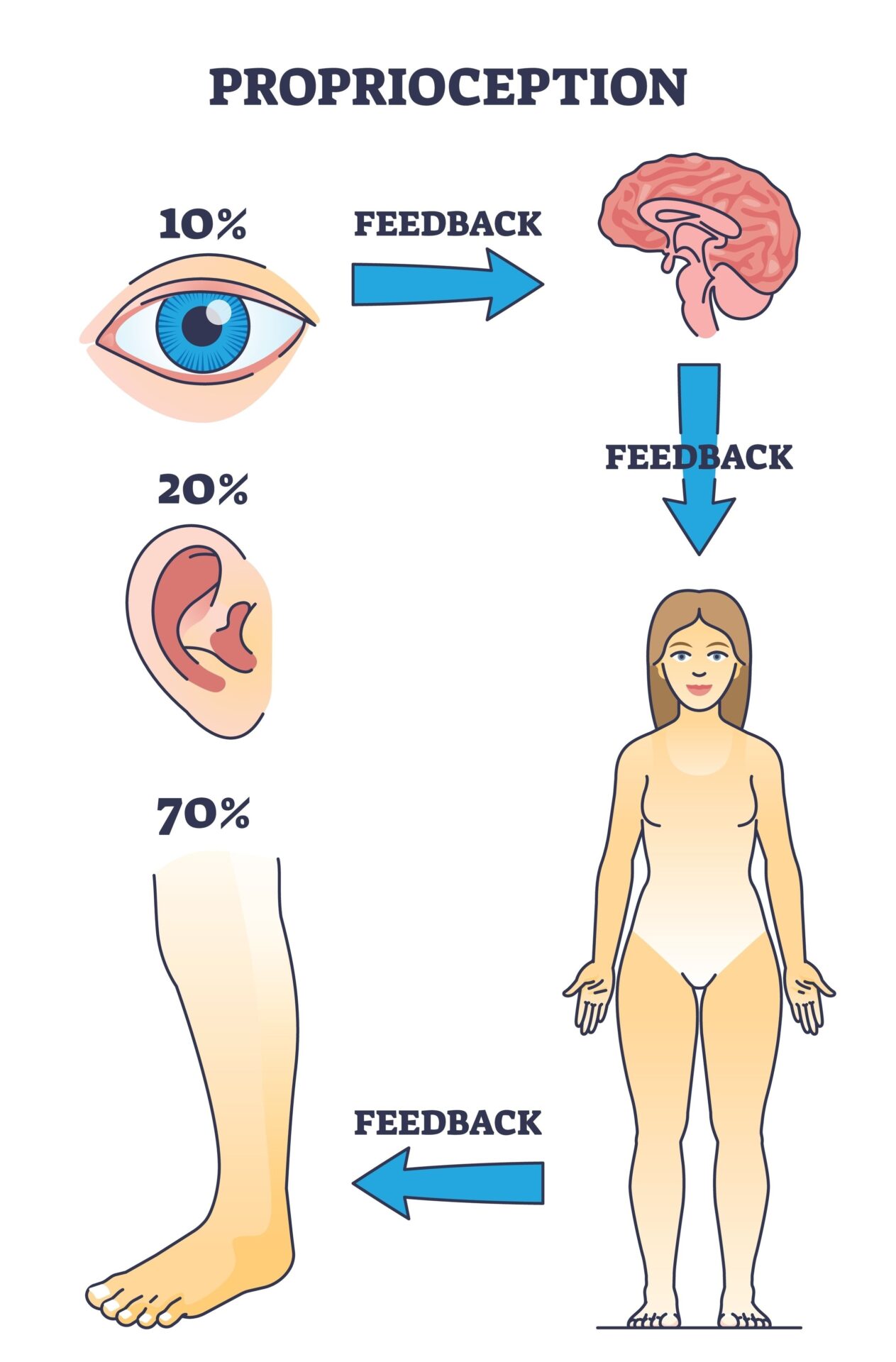
Most people think of the necks major function as a support for the head. But the neck actually plays a major role in balance, posture, and spatial awareness. This is due in part to tiny sensory receptors inside the muscles and joints of the cervical spine called proprioceptors that constantly send information to the brain about where the head and body are positioned.
When these receptors function normally, they help the brain coordinate posture, balance, and smooth movement. However, when the neck experiences trauma such as a car accident, fall, sports injury, or repetitive strain, these receptors can begin sending faulty signals to the brain. This can contribute to symptoms like poor posture, dizziness, and balance problems.
For Seattleites looking for solutions to these problems, addressing the alignment of the upper neck through NUCCA care may help restore better function to this important neurological system.
What Are Proprioceptors?
Proprioceptors are specialized nerve endings located in the muscles, tendons, and joints. Their job is to constantly inform the brain about body position, muscle tension, joint movement and head orientation.
This sensory system is called proprioception, and it works alongside the inner ear and visual system to keep us balanced and upright.
The neck contains one of the highest concentrations of proprioceptors in the entire body, especially in the small muscles surrounding the upper cervical spine. Because the head weighs about 12–15 pounds, the brain relies heavily on these receptors to know exactly where the head sits relative to the body.
This is why even small changes in the neck can have noticeable effects on posture and balance.
How Neck Trauma Can Affect Proprioception
When the neck experiences trauma, normal proprioceptor function becomes disrupted. Common sources of neck trauma include:
- Whiplash from car accidents
- Sports injuries
- Falls
- Repetitive postures from work
- Long hours looking down at phones or computers
Trauma can cause inflammation, muscle tension, and subtle changes in joint alignment and when this happens, the proprioceptors in the neck may send inaccurate information to the brain. The brain then receives conflicting signals from three systems:
- The eyes
- The inner ear (vestibular system)
- The neck proprioceptors
When the signals conflict, the brain can interpret the mismatch as dizziness, imbalance, or disorientation. This is sometimes referred to as cervicogenic dizziness, dizziness that originates from the neck.
Symptoms Linked to Cervical Proprioceptor Dysfunction
When neck proprioceptors are not functioning properly, people may experience symptoms that seem unrelated to the neck which can include:
- Dizziness or lightheadedness
- Poor balance or instability
- A floating or off-balance feeling
- Chronic neck tension
- Headaches
- Difficulty maintaining upright posture
- Feeling worse when moving the head quickly
Many patients are surprised to learn that these symptoms can originate from the upper cervical spine, especially if they have a past traumatic injury.
The Upper Cervical Spine and Proprioceptor Dysfunction
The upper neck, made up of the atlas (C1) and axis (C2) vertebrae, plays a unique role in the body. The atlas and axis are responsible for supporting and balancing the head, they allow a large percentage of head rotation, have close neurological connections with the brainstem and balance centers, and contain extremely sensitive proprioceptors.
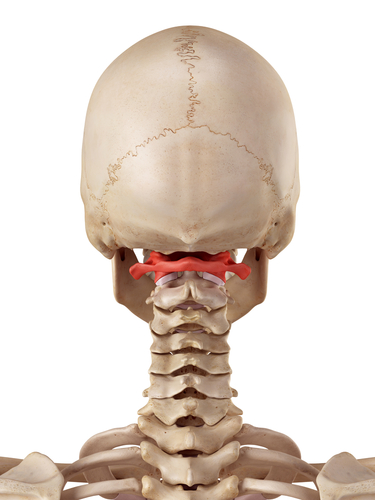
Because the body constantly adapts to keep the eyes level and the head upright, misalignment in the upper neck can sometimes lead to compensations throughout the spine and body. So when the atlas is not properly aligned with the skull and spine, it can lead to changes in muscle tension and joint mechanics which may affect posture, nerve communication, and proprioceptive feedback over time.
How NUCCA Care May Help
NUCCA is a specialized form of chiropractic care that focuses specifically on the alignment of the upper cervical spine. NUCCA doctors use precise measurements and imaging to determine the exact position of the atlas vertebra and uses a very gentle and controlled corrective force to correct the atlas alignment. The goal is to restore a more balanced alignment between the skull, atlas (C1), and the upper cervical spine.
When the head is properly centered over the spine, the body may experience benefits such as improved posture, reduced tension in neck muscles, better nervous system communication and more balanced proprioceptive input.
For some patients experiencing dizziness or balance issues related to neck dysfunction, improving upper cervical alignment may help reduce the sensory mismatch contributing to their symptoms.
NUCCA Care in Seattle, WA
Because the neck plays such a critical role in balance and neurological communication, restoring proper alignment can sometimes allow the body to function more efficiently and heal naturally.
Residents of Seattle who struggle with chronic neck tension, posture problems, or dizziness may benefit from having their upper cervical spine evaluated.
NUCCA care focuses on precision, gentle correction, and long-term stability rather than frequent adjustments. The goal isn’t temporary relief, but to help the body maintain its proper alignment so the nervous system and proprioceptive systems can work the way they were designed.
A Structural Approach to Better Balance
The body’s balance system depends on accurate communication between the eyes, inner ear, and neck proprioceptors. When trauma disrupts the neck and this communication becomes distorted, it can lead to symptoms that may persist for months or even years.
By improving the alignment of the upper cervical spine, NUCCA care aims to restore proper structure so the nervous system can function more normally.
For people in Seattle dealing with dizziness, posture problems, or chronic neck issues, addressing the upper cervical spine with NUCCA care may be an important step toward better stability, improved balance, and long-term health.
About the Author