

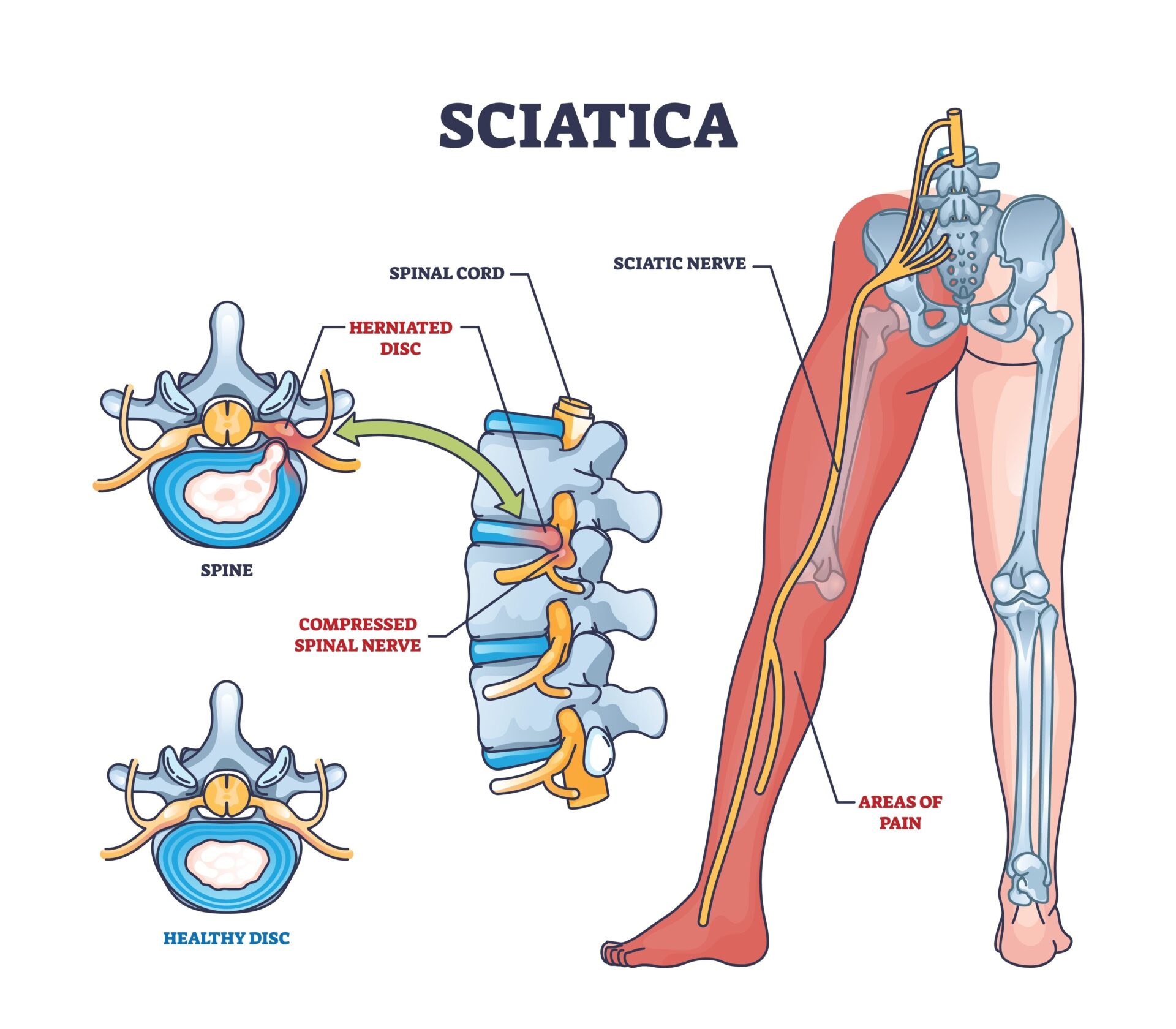
I’m Dr. Charlie Ross, a NUCCA upper cervical chiropractor located in the U-District. Many of my patients come in frustrated after dealing with persistent sciatica— that deep, radiating pain, burning sensation, or numbness that travels from the lower back down one leg. It can make walking around Green Lake, sitting through a meeting in South Lake Union, or even enjoying a ferry ride feel unbearable. If this sounds familiar, you’re not alone, and there may be a surprising connection higher up in your spine that gentle NUCCA care can help address.
What Is Sciatica, Really?
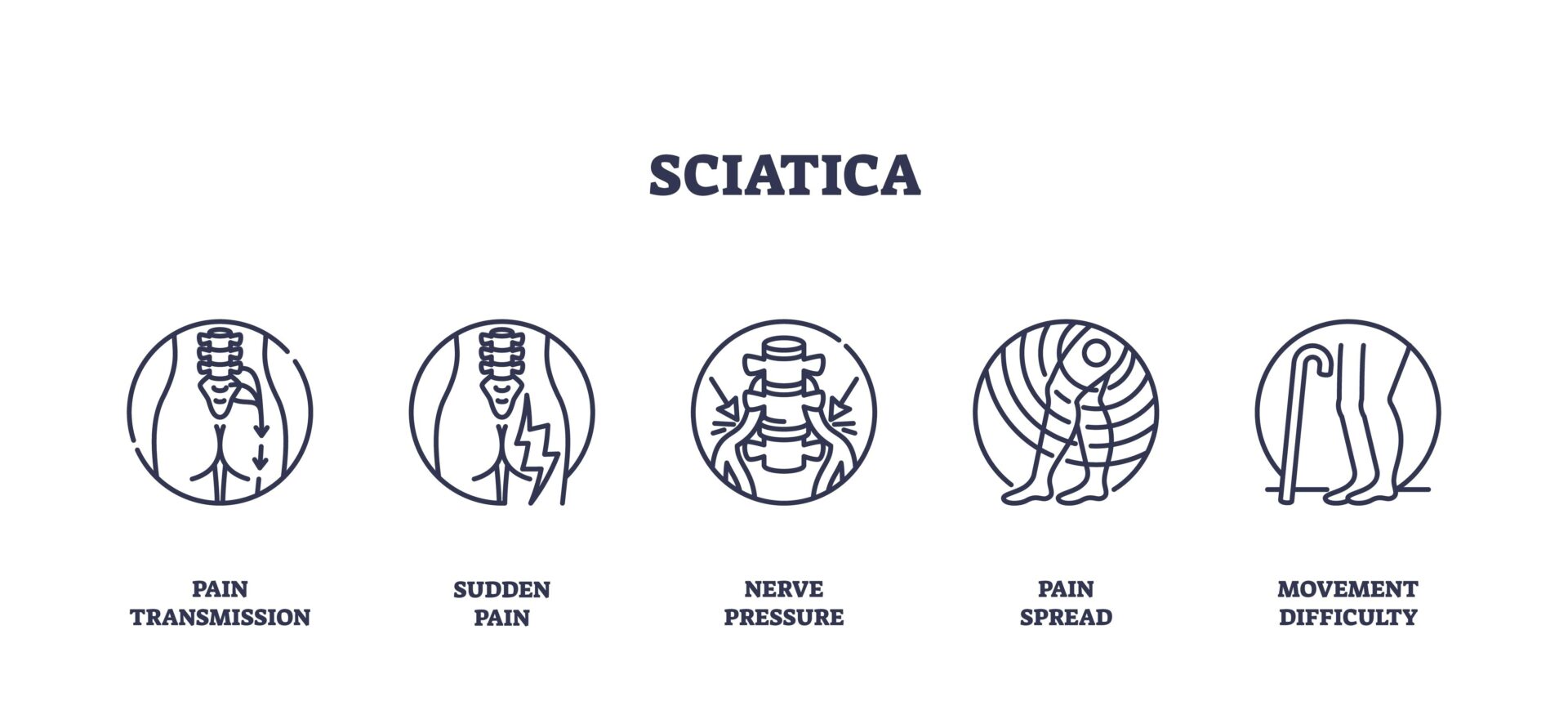
Sciatica is one of the most common causes of leg pain and most adults will experience it at some point in there life. The sciatic nerve is the largest nerve in the body and affects motor and sensory function in the legs. Sciatica is nerve pain that results from injury or irritation to the sciatic nerve.
Classic symptoms include sharp, electric-shock-like pain radiating from the low back or buttock into the thigh, calf, or foot; numbness or tingling (“pins and needles”); muscle weakness in the leg; and pain that worsens with sitting, coughing, or sneezing. For many, it comes and goes, however, when chronic, it can significantly limit mobility and quality of life.
- Herniated or bulging lumbar discs
- Spinal stenosis
- Piriformis syndrome (tight muscles in the buttocks)
- Spondylolisthesis (slipped vertebra)
- Or even prolonged sitting and poor posture common in our tech-heavy, desk-oriented city
There are two different types of sciatica: True Sciatica and Sciatica Like conditions. True Sciatica is a result of an injury or condition that directly affects the sciatic nerve. Sciatica Like conditions relate to nearby nerves or nerve groups that form the sciatic nerve, meaning it feels like sciatica but has other causes. Although the term sciatica can be used for both types, they may differ in treatment options.
The Upper Neck Connection: Why Sciatica Isn’t Always Just a “Low Back Problem”
The nervous system is one interconnected highway. The upper cervical spine (C1 and C2 vertebrae) houses the brainstem and serves as a critical control center for posture, balance, and overall nerve signaling. Even a subtle misalignment here—often from past whiplash, poor ergonomics, sports impacts, or the cumulative stress of daily life in rainy Seattle—can create a cascade effect:
- It disrupts proprioceptive feedback (your body’s sense of position), leading to compensatory postural imbalances lower down the spine.
- This can increase mechanical stress on the lumbar region and pelvis, irritating the sciatic nerve roots.
- Misalignment also heightens overall nervous system tension, amplifying pain signals and slowing natural healing.
In NUCCA terms, we often see patients with leg symptoms who have no recent lower back injury—the root issue traces back to an upper neck misalignment throwing the entire body out of balance.
How Gentle NUCCA Care Helps Naturally
NUCCA is a highly precise, non-invasive approach that uses gentle, controlled contacts (no twisting, popping, or cracking) to restore alignment to the upper cervical spine. Here’s what this can mean for sciatica sufferers:
- Restores Postural Balance — By correcting the head-neck alignment, the body naturally levels the pelvis and reduces uneven loading on the lower back and hips. Many patients notice improved symmetry and decreased leg pain within the first few adjustments.
- Reduces Nervous System Irritation — A balanced upper neck calms the brainstem and improves communication throughout the central nervous system, which can decrease the amplification of pain signals from the sciatic nerve.
- Promotes Long-Term Healing —Instead of masking symptoms with medications or repeated lumbar manipulations, NUCCA focuses on ‘holding’ the correction. When your body holds the adjustment, secondary issues such as sciatica often resolve as overall function improves.
- Gentle and Suitable for Seattle Lifestyles — Whether you’re a busy professional, an active hiker on the trails, or recovering from a minor car accident on I-5, the NUCCA adjustment is comfortable and tailored. No forceful maneuvers—just precise, measured care.
Real Results Patients Experience
Many NUCCA patients report amazing results such as the following:
- Reduced radiating leg pain and improved walking tolerance
- Better sleep without the constant ache
- Decreased reliance on pain relievers
- Enhanced energy for daily activities around the city
- Prevention of recurring episodes through better overall spinal stability
Of course, results vary based on individual history, but overall NUCCA frequently helps where other methods have fallen short.
Is NUCCA Right for Your Sciatica?
If you’ve been dealing with sciatica and are looking for a natural, root-cause solution in the Seattle area, I invite you to schedule a consultation. We’ll use detailed imaging and precise analysis to determine if an upper cervical misalignment is contributing to your symptoms. Early intervention can make a big difference in preventing chronic issues.
Contact us today at (206) 504-2225 or visit drcharlieross.com to book your appointment. Located conveniently in the University District, we’re here to help Seattle residents reclaim comfortable, active lives.
About the Author