

What Is TMJ Disorder?
The temporomandibular joints are the 2 joints that connect your jaw, or specifically the lower jaw (mandible) to your skull. They are among the most complex joints in the body and, when properly aligned, allow for smooth movement such as chewing, speaking, yawning and swallowing. When these joints become misaligned, it can lead to a range of symptoms, including:
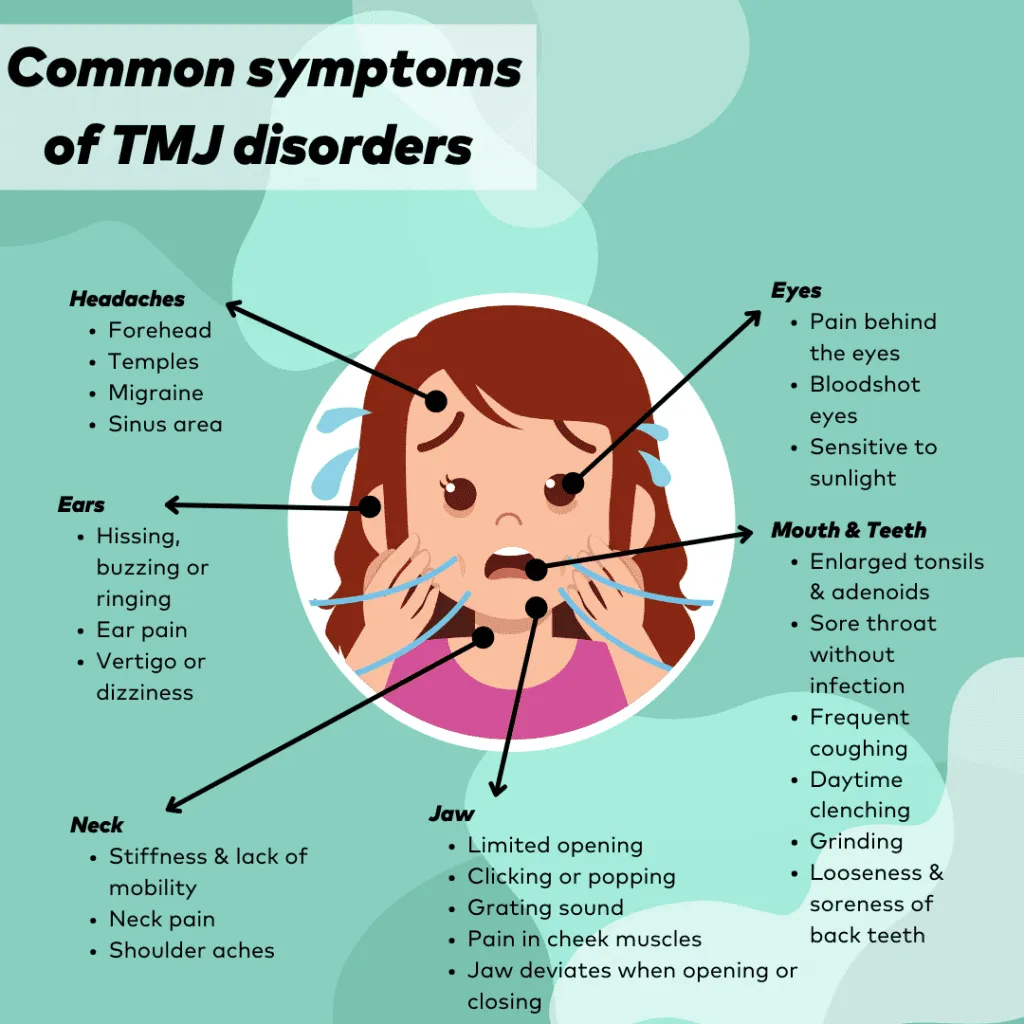
- Myofascial pain (jaw muscle pain or tightness)
- Clicking or popping sounds
- Locking of the jaw or limited mouth motions
- Headaches or migraines
- Ear pain or ringing (tinnitus)
- Pain in the neck, shoulders, back or behind the eyes
- Clenching or grinding of the teeth
While there are over 30 conditions that can cause pain or disfunction in the jaw or jaw joints, there are just 3 main classes under which TMJ disorders (TMD) fall:
- Disorders of the joints, including disc disorders.
- Disorders of the muscles used for chewing (masticatory muscles).
- Headaches associated with a TMD
A recent study shows about 11-12 million adults in the United States had pain in the region of the temporomandibular joint. Temporomandibular disorders are also twice as common in women than in men, especially in women between 35 and 44 years old.
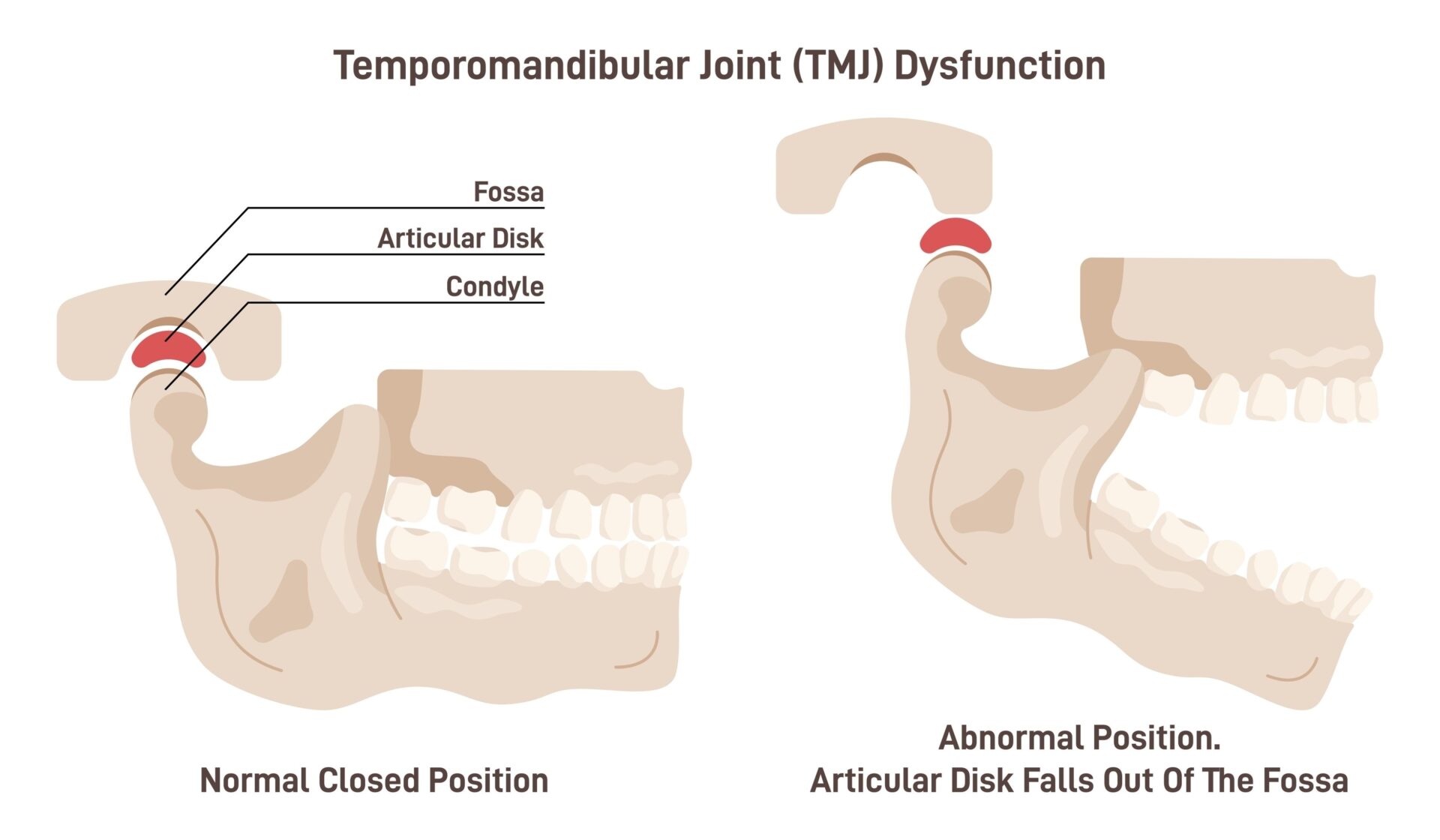
The Overlooked Connection: Neck Alignment and TMJ
Many people in Seattle initially try mouthguards, medications, or even dental procedures but still don’t find lasting relief to their TMJ pain. These treatments often treat the symptoms of TMD; however, they do not fix one of the fundamental causes of TMD: misalignment of the upper cervical spine.
For years it was thought that misaligned teeth were a cause of TMJ Disorder. Not only is there no evidence to support this, but in some cases the occlusal treatments ( treatments such as crowns, grinding down the teeth, etc) used to modify the teeth or bites may have been making the problems worse!
What is often missed is that your jaw doesn’t function independently—alignment begins at your upper cervical spine (the top of your neck). When the top bone in your neck (the atlas) is even slightly misaligned, it can:
- Create uneven muscle tension in the jaw
- Alter how your bite naturally functions
- Irritate nerves that influence facial muscles
- Contribute to chronic inflammation and pain
Over time, this imbalance can place extra stress on the TMJ, making symptoms worse or preventing them from fully healing.
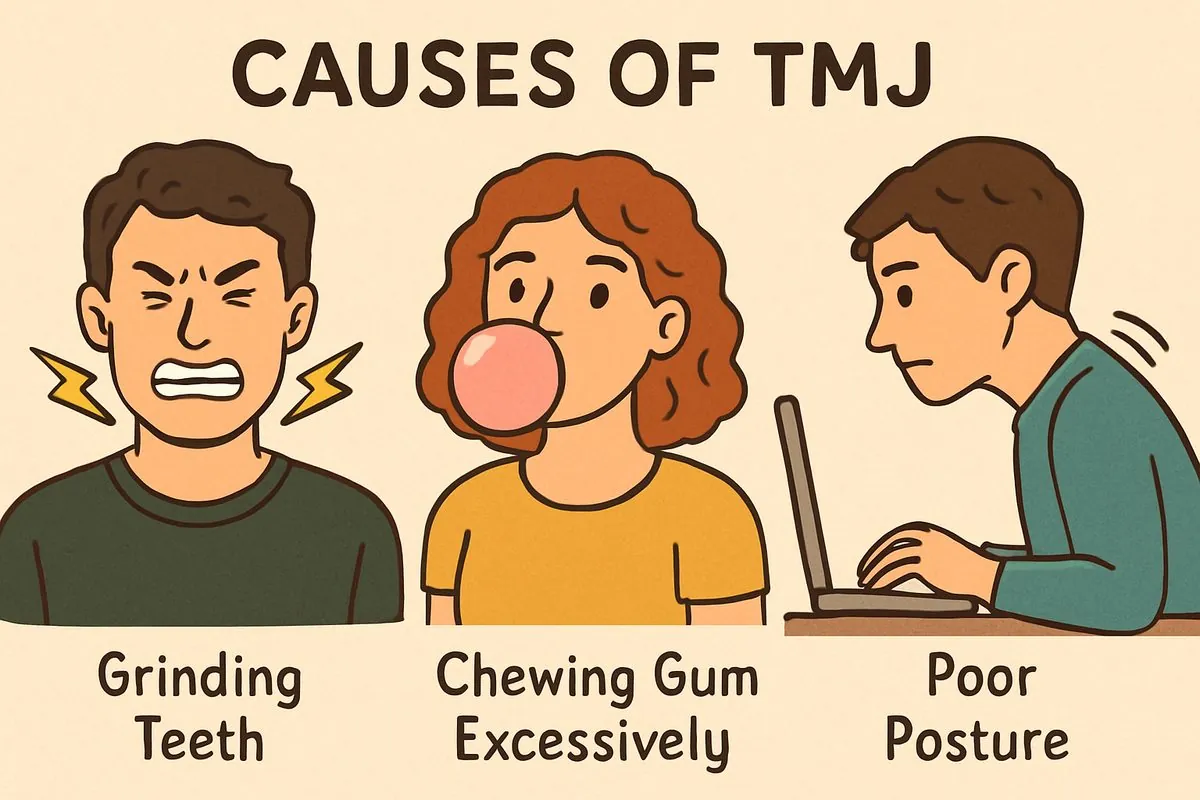
How NUCCA Care Can Help TMJ
One of the biggest advantages of NUCCA care is that it focuses on natural healing without drugs or surgery. Instead of masking symptoms, NUCCA (National Upper Cervical Chiropractic Association) care focuses on restoring proper alignment to the upper cervical spine using gentle, precise corrections.
At Dr. Charlie Ross Upper Cervical NUCCA Care, the goal is not to treat the jaw directly, but to naturally address the underlying structural imbalance that may be contributing to TMJ symptoms so your body can heal itself more effectively.
When the upper neck is properly aligned:
- Muscle tension in the jaw can decrease
- Pressure on the nervous system is reduced
- The body can better regulate inflammation
- Healing can occur in a more balanced position
Many patients notice improvements not only in jaw pain, but also in headaches, neck stiffness, and overall well-being.
What to Expect from NUCCA Care
Your first visit includes a detailed consultation, examination, and imaging to understand your unique alignment. From there, a personalized care plan is created to help restore balance and support long-term healing.
You may want to consider an evaluation if you experience:
- Chronic jaw pain or tightness
- Clicking or locking of the jaw
- Frequent headaches or facial tension
- Symptoms that haven’t improved with other treatments
Take the First Step Toward TMJ Relief
TMJ can affect your quality of life in ways you may not even realize—from disrupted sleep to constant discomfort throughout your day.
If you’re in Seattle and looking for a natural, structural approach to TMJ relief, consider scheduling a no-charge consultation at Dr. Charlie Ross Upper Cervical NUCCA Care.
Call (206) 504-2225 to get your questions answered and find out if NUCCA care is the right fit for you.
Your body is designed to heal—sometimes it just needs the right alignment to do it.
About the Author