
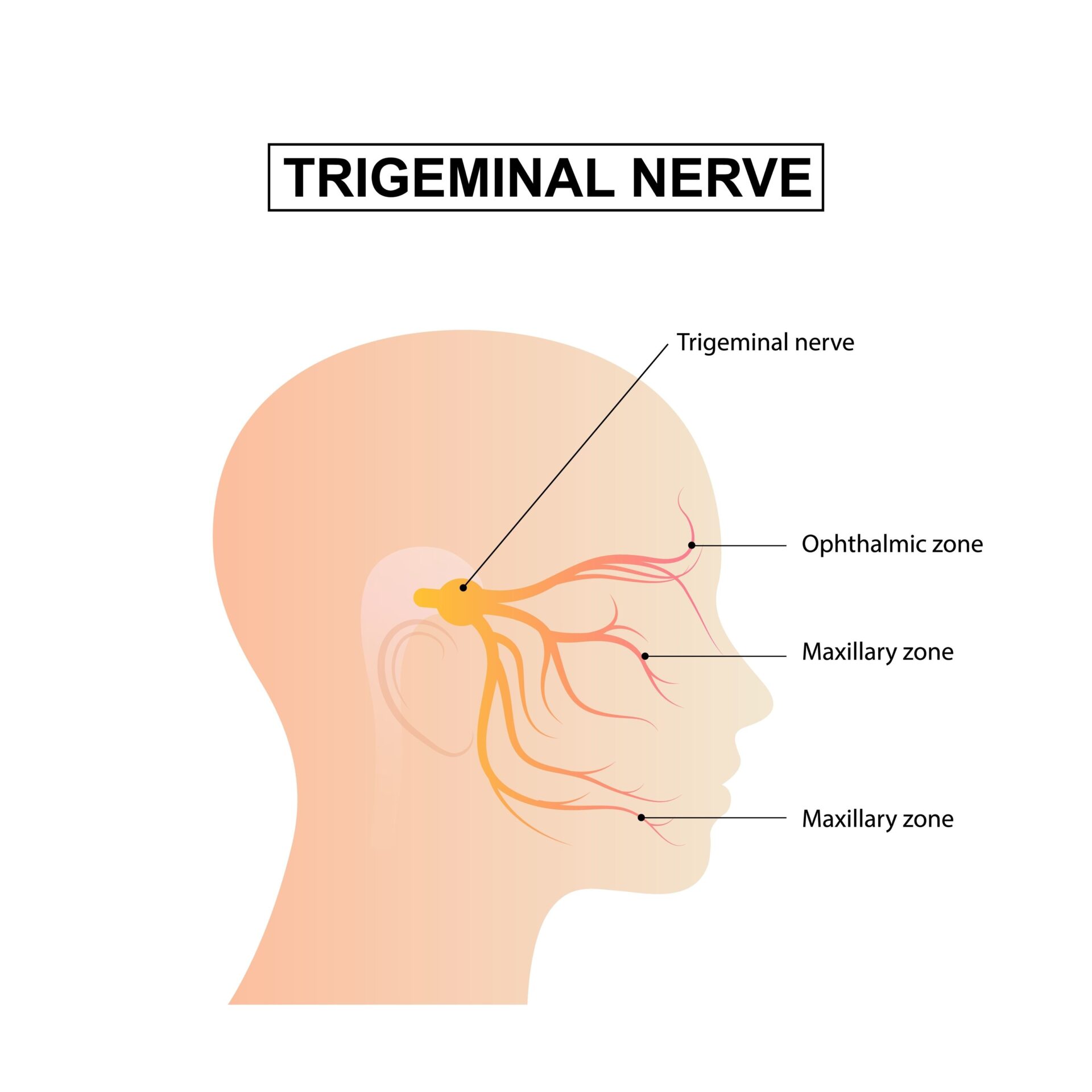
Hello, friends and neighbors in Seattle’s University District and beyond. I’m Dr. Charlie Ross, a NUCCA upper cervical chiropractor at Discover Health Chiropractic, located at 4345 Roosevelt Way NE. Trigeminal neuralgia is widely regarded as one of the most painful conditions known to medicine — often called the “suicide disease” because of its devastating intensity. Sufferers describe sudden, electric shock-like jolts, stabbing, burning, or knife-like pain in the face, jaw, teeth, cheeks, or eyes. The pain can be so severe it interferes with eating, sleeping, speaking, and enjoying life, often leading to anxiety, depression, and isolation.
What is Trigeminal Neuralgia
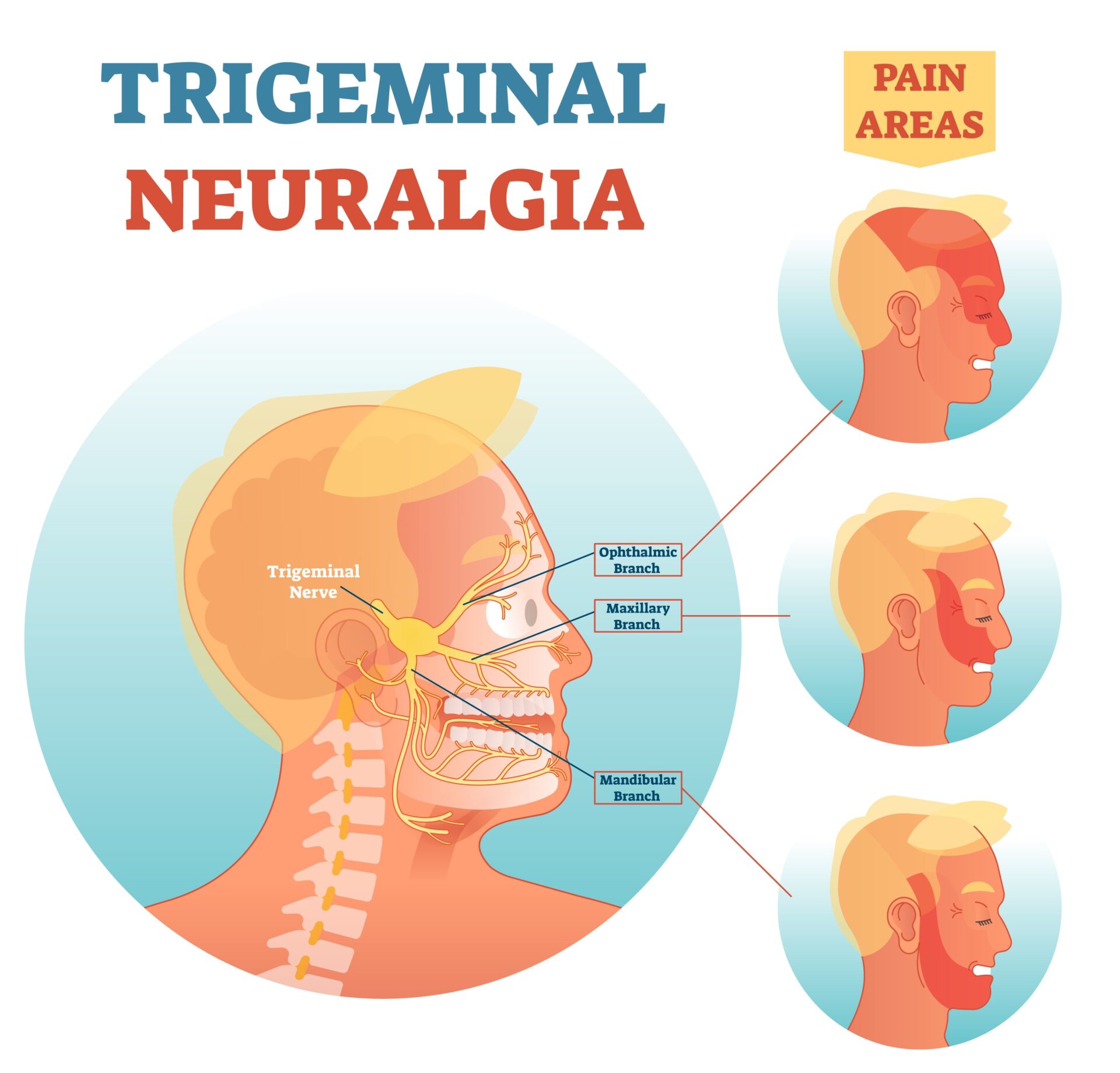
Trigeminal Neuralgia is a chronic pain disorder that affects the nerve that carries sensation from the face to the brain (a.k.a. the trigeminal nerve). As a result, the disorder causes a “zapping” or shooting pain that is typically limited to one side of the face and affects the upper, middle, or lower jaw regions. Anything from chewing or talking, to a light breeze, can trigger an “attack” which may last seconds to minutes, sometimes recurring dozens of times a day.
Trigeminal Neuralgia comes in two forms: classic and secondary. Classic is the most common form, and it results from a blood vessel compressing or pulsating agains the trigeminal nerve root. Secondary occurs when another condition such as a tumor, or MS (multiple sclerosis) damages your trigeminal nerve. It affects about 150,000 people in the US and affects women more than men. The majority of cases occur after 50.
Common Management Options for Trigeminal Neuralgia
There are several approaches to help manage this challenging condition:
- Medications: Anticonvulsants (such as carbamazepine) are typically the first line of defense to stabilize nerve firing. However, while helpful to many, side effects like drowsiness, dizziness, or reduced effectiveness over time are common.
- Interventional Procedures: Nerve blocks, injections, or radiofrequency ablation can provide temporary relief by interrupting pain signals.
- Surgical Options: Microvascular decompression or gamma knife procedures aim to relieve pressure on the trigeminal nerve (often from a blood vessel), but these carry risks and are not suitable for everyone.
These conventional treatments focus mainly on symptom control and may not address potential underlying structural or nervous system contributors.
NUCCA Care: A Gentle, Natural Approach to Potentially Reduce Symptoms
We offer a precise, drug-free option through NUCCA upper cervical care. The trigeminal nerve originates in the brainstem and has important connections to the upper cervical spine. Even minor misalignments in the atlas vertebra (C1) can create tension or interference in the nervous system, which may irritate or sensitize the trigeminal nerve pathways.
NUCCA is a highly specialized technique that uses detailed imaging and precise measurements to restoe proper alignment and reduce nervous system stress. By using a gentle correction to realign the head and neck, NUCCA helps support optimal nerve function, decreases irritation along the trigeminal pathways, and allows the body’s natural healing processes to work more effectively. Many patients with trigeminal neuralgia report meaningful reductions in pain frequency and intensity, improved daily function, and better overall well-being.
Supportive Holistic Habits: Complementing care with natural strategies can enhance results. Practice stress-reducing techniques like deep breathing or vagus nerve stimulation (humming or cold showers), follow an anti-inflammatory whole-foods diet, stay hydrated, and incorporate gentle movement in Seattle’s parks or along the Burke-Gilman Trail.
If you or a loved one is battling the relentless pain of trigeminal neuralgia, know that there is hope beyond medication alone. NUCCA care focuses on addressing potential root causes in the upper cervical spine for lasting nervous system balance.
I’d be honored to help you explore whether this gentle approach is right for you. Visit Home – Dr. Charlie Ross Seattle NUCCA Chiropractor or call (206) 504-2225 to schedule a consultation. We’re conveniently located in the University District and welcome patients seeking natural relief.
About the Author