

Why Upper Neck Alignment Matters
Dr. Charlie Ross, DC | NUCCA Upper Cervical Care | Seattle, WA
Many people arrive in our office with the same story.
They have been through brain and cervical MRI, CT scans, and X-rays. A physician reviewed the images and said the findings were “normal” or “unremarkable.” And yet they still live with vertigo, neck pain, facial pain or numbness, tinnitus, clogged or painful ears, headaches, or migraines.
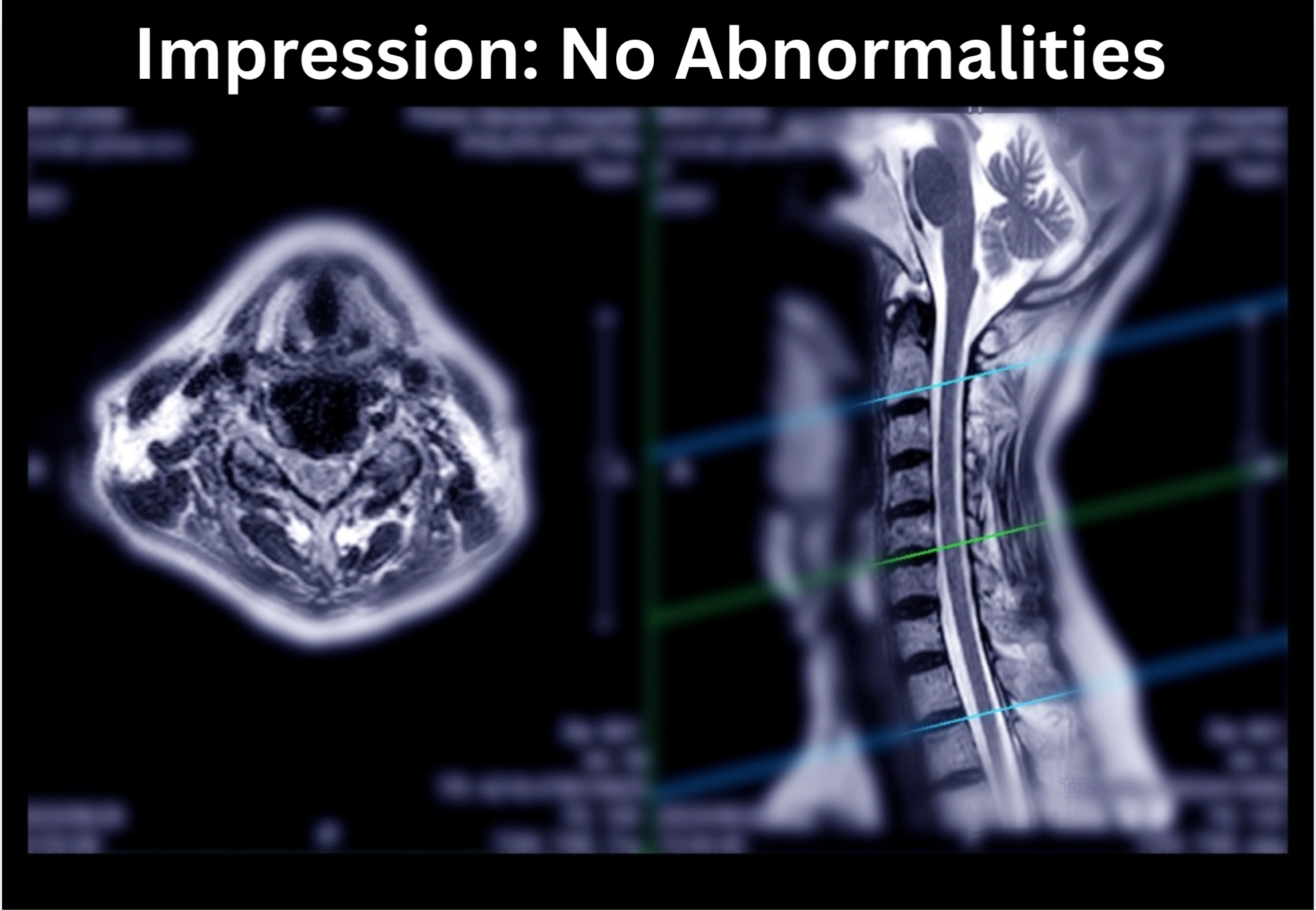
That combination is confusing. If the scans are clear, why do the symptoms remain?
The short answer is that standard imaging is excellent at finding certain problems – and it is not designed to evaluate every problem.
What Those Scans are Looking For
MRI, CT, and conventional X-ray are powerful tools. They help rule out tumors, fractures, disc herniations, stroke, infection, and other structural pathology. When those studies are negative, that is genuinely good news. It means many serious conditions have been excluded.
What those studies do not typically measure is the precise alignment of the Atlas – the top bone in the neck that supports the head. A small shift in that bone can exist without looking like “disease” on a standard report. The images can be read as normal, while the head and neck relationship is still off-center.
That is why upper neck alignment is so often overlooked.
Why the Atlas Can Matter Even When Scans Look Fine
The Atlas sits at a critical junction. When it is even slightly misaligned, the body often compensates. The rest of the spine may twist to keep the eyes level. Muscles tighten. Weight can shift more to one side. Posture changes. Communication between the brain and body can become less efficient.
None of that automatically shows up as a “positive finding” on a routine brain or cervical MRI. A patient can have persistent dizziness after inner-ear crystal treatments failed, facial discomfort, ear fullness, or recurring migraines – and still hear that everything looks normal.
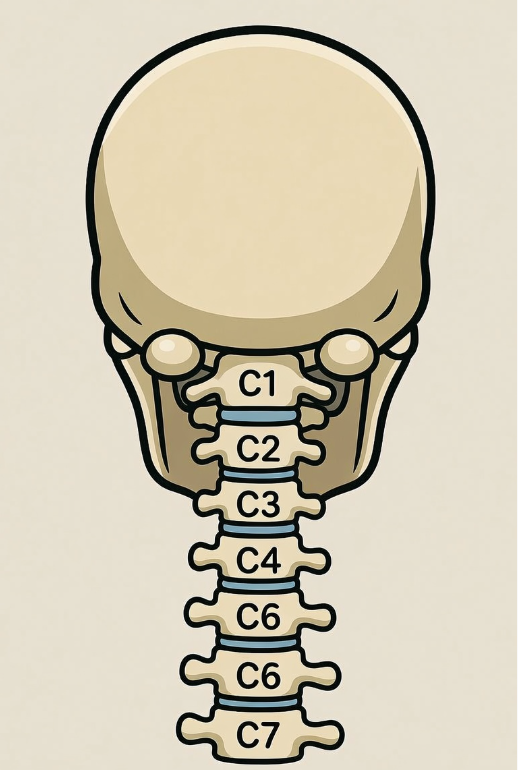
The missing piece is not always more imaging of the same kind. Sometimes it is a different question: Is the head sitting evenly on the neck?
What NUCCA Evaluates Differently
NUCCA (National Upper Cervical Chiropractic Association) is a specialized approach that focuses on that exact relationship. We use precise X-ray analysis to measure Atlas alignment and then deliver a gentle, non-twisting correction. There is no popping or twisting of the neck.
The goal is not to chase each symptom one by one. The goal is to restore better alignment so the nervous system can communicate more clearly and the body has a better opportunity to function and heal.
Symptom relief is welcome when it happens. Lasting balance, improved posture, and long-term function are the larger aim.
This is especially relevant for people who have already been told their scans are normal. Those reports answered one set of questions. An upper cervical evaluation answers another.
When it makes sense to look at the upper neck
Consider an upper cervical evaluation if you have:
- Vertigo that did not resolve with inner-ear crystal therapy
- Migraines or recurring headaches
- Tinnitus, ear pressure, or painful, clogged ears
- Facial pain or numbness
- Neck pain, arm or leg pain, or a sense of cervical instability
…and imaging has not explained why the symptoms continue.
A normal scan does not mean the symptoms are imagined. It often means the source is functional and biomechanical rather than a large structural lesion.
A Smart Next Step
If you have been told your MRI, CT, or X-rays are normal and you still do not feel well, getting your upper neck alignment examined is a reasonable, conservative next step.
Located in Seattle’s University District, we provide NUCCA care that is gentle, precise, and focused on lasting alignment – not forceful manipulation.
If this sounds familiar, visit https://drcharlieross.janeapp.com/ or contact our office at (206) 504-2225 in the U District to schedule an evaluation.
Dr. Charlie Ross, DC
NUCCA Upper Cervical Care
Seattle, Washington
About the Author