

Hey there Seattle-ites! Have you been dealing with brain function issues such as nagging headaches, brain fog, or a constant feeling that something’s just “off,” even though we should have passed our seasonal depression era? You might be surprised to learn it’s not all in your head—literally! As a NUCCA chiropractor here in Seattle, I’ve seen how a simple shift in head position can throw off your entire nervous system…and it all starts at the neck. So, let’s talk about why proper upper neck alignment is so crucial for optimal brain function.

Think about it: your head weighs around 10-12 pounds, which is roughly the weight of a bowling ball. When it’s perfectly balanced over your shoulders, everything else in our system naturally follows. But, thanks to modern living (especially in a tech hub like Seattle) many spend hours at a desk or scrolling on phones– actions that often keep your head pulled forward. However, bad posture does not have to be a result of a current lifestyle habit, even old sports injuries or previous accidents can result in altered posture. This forward head posture stresses the upper cervical spine, particularly the atlas (C1) vertebra that cradles your skull which in turn is the connection to brain function.
The Brainstem Connection
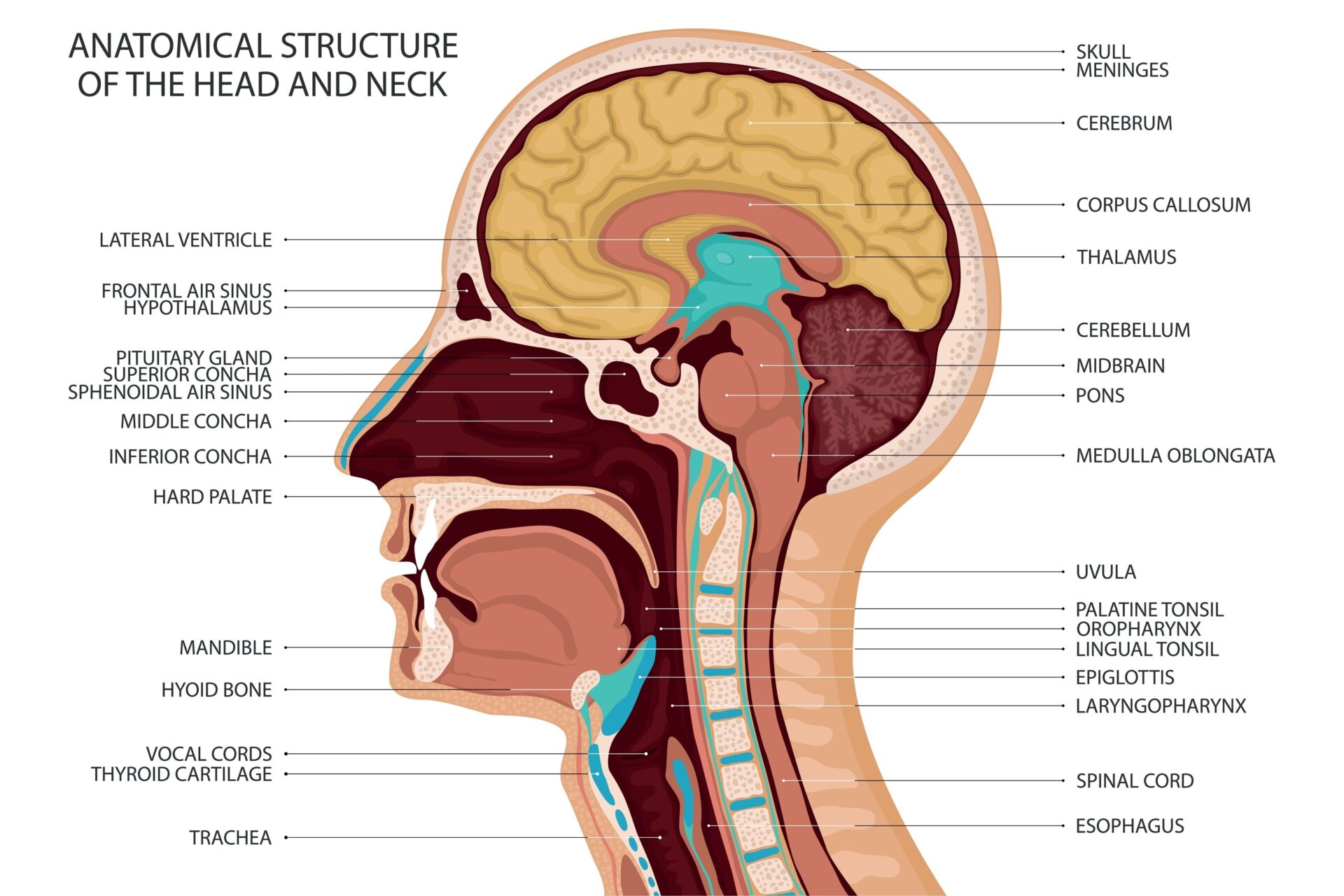
The upper neck houses your brainstem, which is the control center linking your brain to the rest of your body. It regulates everything from breathing and heart rate to balance and sleep. When the atlas misaligns even slightly, it can irritate nerves, restrict blood flow to the brain, and disrupt cerebrospinal fluid circulation. This interference doesn’t just cause neck pain — it can fog your thinking, spike migraines, or leave you feeling exhausted.
Clinical experience and patient outcomes show that restoring proper alignment often brings remarkable improvements. People report clearer thinking, fewer migraines, better posture, reduced dizziness, and even better breathing. It’s not magic, drugs, or invasive surgery, it’s simply a method of naturally removing the interference so your body can heal and function as designed.
How NUCCA Makes a Difference
Unlike traditional chiropractic, NUCCA is incredibly gentle and precise. There is no forced twisting or popping. We use detailed x-rays and measurements to correct the atlas misalignment with light, controlled contact. For many patients, results are noticeable after just one or two visits. And best of all, the correction often holds because we address the root cause, not just the symptoms.

For people who live in Seattle with our tech-heavy lifestyles, rainy commutes, and desk work, upper cervical care is especially relevant. So, whether you’re a busy professional in downtown, an active hiker on the weekends, or someone who’s tried everything else for chronic pain symptoms, checking your head and neck alignment could be the missing piece.
If poor head position is silently affecting your brain health, don’t wait for bigger problems. At Dr. Charlie Ross Upper Cervical NUCCA Care, we specialize in helping locals restore balance — naturally and effectively.
Ready to see if upper cervical alignment could help you? Give our office a call or book a consultation online. Your body (and brain) will thank you.
About the Author